Low-cost air quality logger designed for measuring pollution (CO2 & PM)
Overview
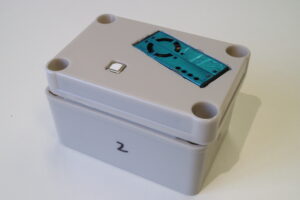
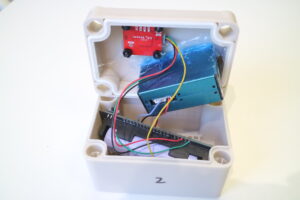
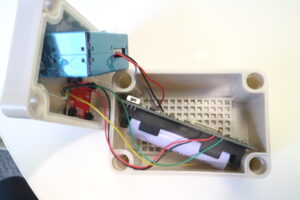
The Open Air Quality Monitor (SCD41 + PM) is an open‑design environmental sensing device developed within the OpenScienceMethods ecosystem. It combines carbon dioxide, temperature, humidity, and particulate matter measurements in a single, transparent instrumentation platform.
Designed to work in partnership with the OpenSciLogger mobile application, this hardware supports reliable air quality monitoring for education, research, and community‑led environmental action, including indoor and outdoor deployments.
Sensors used
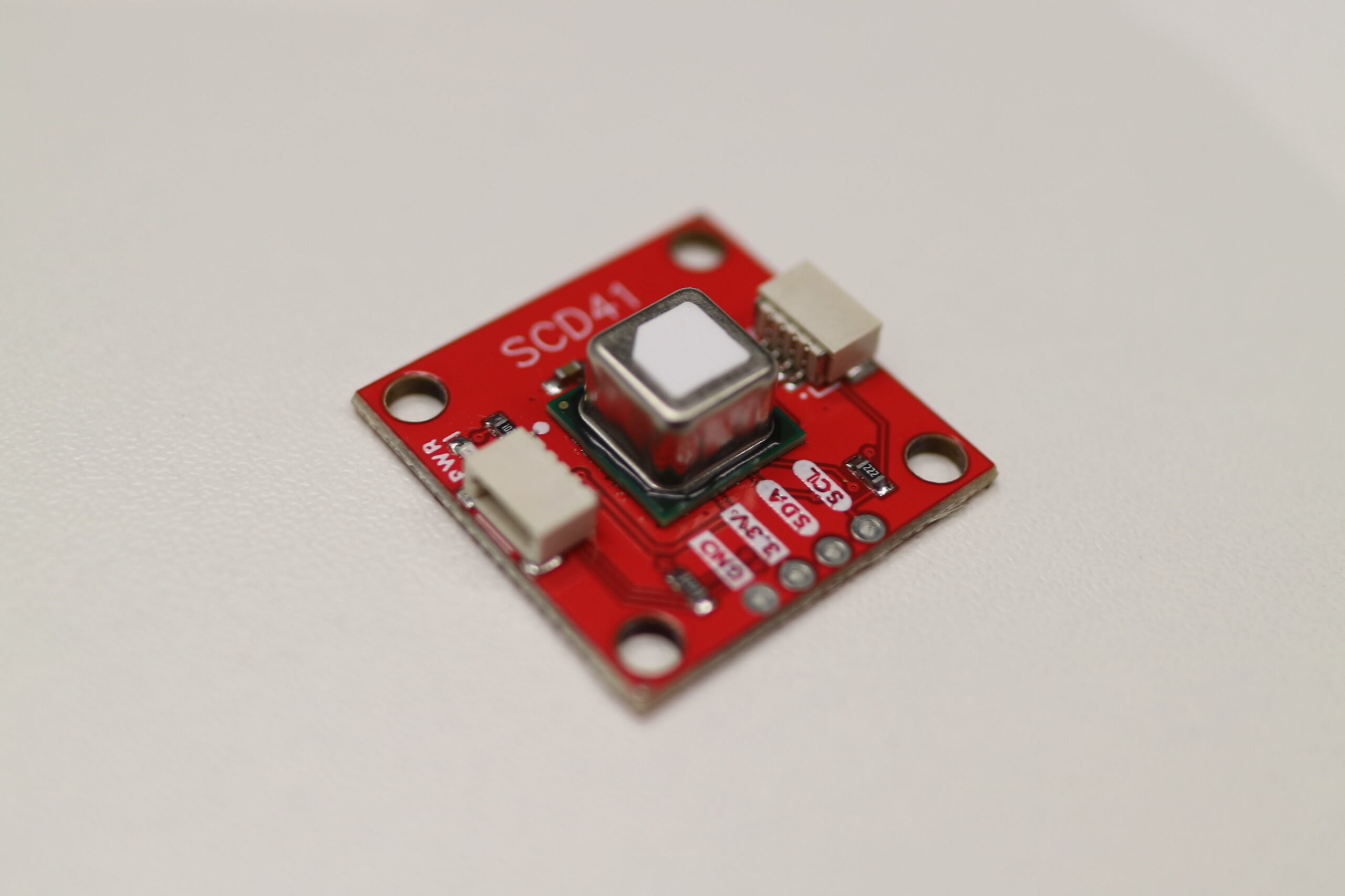
Sensirion SCD41
- CO₂ concentration (NDIR)
- Temperature
- Relative Humidity
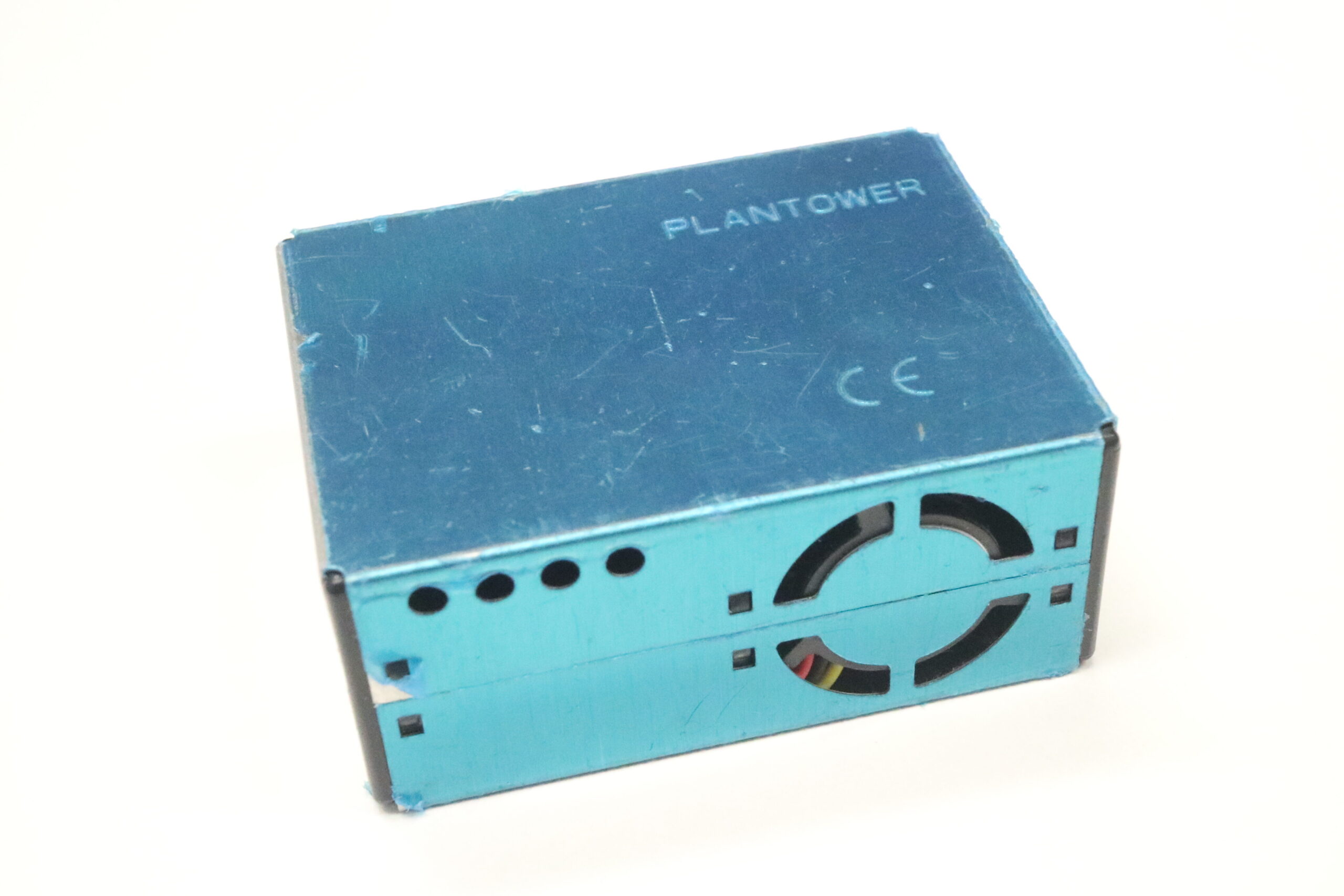
Plantower PMS-5003
- Optical particle counting for PM10, PM2.5, and PM1.0
Typical Use Cases
- Monitoring classroom or school air quality
- Studying ventilation effectiveness
- Community‑led air pollution monitoring
- Environmental justice and housing studies
- Student experiments linking CO₂, occupancy, and comfort
- Short‑ or long‑term indoor environmental logging
Data Output & Variables
- Default configuration: 6 variables
- (CO₂, temperature, humidity, PM10, PM2.5, PM1.0)
- Integration: Compatible with OpenSciLogger’s logging system
- Adds time and location (optional) to measurements
- Expandable: Yes — platform supports additional variables
- Export formats: CSV and web‑based table views (additional formats possible)
Who is this for?
This air quality monitor is suitable for:
- Educators and students
- Community groups and citizen scientists
- Researchers needing transparent instrumentation
- Public health and environmental justice initiatives
No proprietary hardware tools or closed designs are required to build or understand the system.
How can I participate?
You can participate by:
- Building and deploying the air quality monitor
- Too difficult? You may be able to borrow one instead – Get in touch
- Using your monitor in an OpenSciLogger‑supported project
- Providing feedback from real‑world use
- Proposing or contributing design improvements
Thinking about joining a current project? Get in touch with us via our contact form!